
Thermaduct® Phenolic Duct Liner
Thermatuff® Phenolic Duct Liner: A Modern Solution for High-Performance HVAC Systems
Commercial HVAC systems live or die by their duct liner choices. Traditional glued liner systems introduce variables that compromise both installation quality and long-term performance. Thermatuff® phenolic duct liner cuts through these problems with mechanical retention, delivering results contractors and engineers can trust without the need for glues or adhesives.
Here's how Thermatuff®'s mechanical retention system beats traditional adhesive-based phenolic duct liners, why contractors choose this installation method, and how it meets SMACNA standards while delivering superior performance.
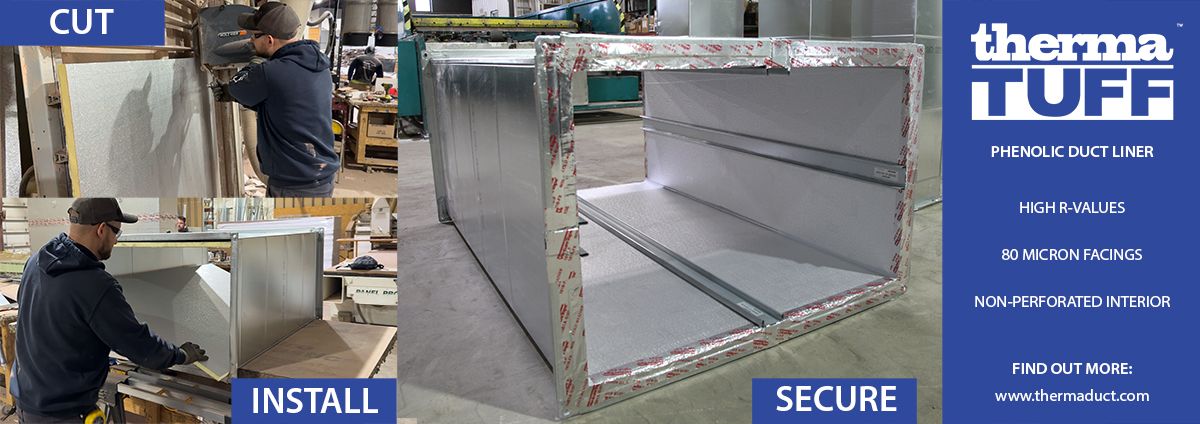
Installed inside SMACNA compliant metal duct, you won't need any special fabrication methods...just the industry standard duct you already build! Our patented methods of installation will allow you to seal and secure your duct liner with mechanical methods that do not require the headaches that glues can provide.
What is a phenolic duct liner?
A phenolic duct liner is used inside sheet metal ductwork to provide insulation, improve system efficiency, and maintain a clean airstream. Thermatuff® is a rigid phenolic duct liner panel designed to replace traditional fiberglass duct liner in applications where long-term performance and installation consistency matter.
Instead of relying on soft, fibrous materials that are glued and pinned in place, Thermatuff® is installed as a rigid panel using mechanical retention. The liner is mechanically retained inside the metal duct system rather than something applied with adhesives after the fact.
Mechanical Retention vs. Glued Phenolic Duct Liners
Most lined duct systems rely on glue and pins to hold insulation in place. When you depend on adhesive bonds, you're betting on application quality, curing conditions, and how well those bonds hold up under temperature swings, humidity changes, and constant airflow pressure.
Thermatuff® takes a different approach entirely with our Phenolic Insulation.
How Mechanical Retention Works
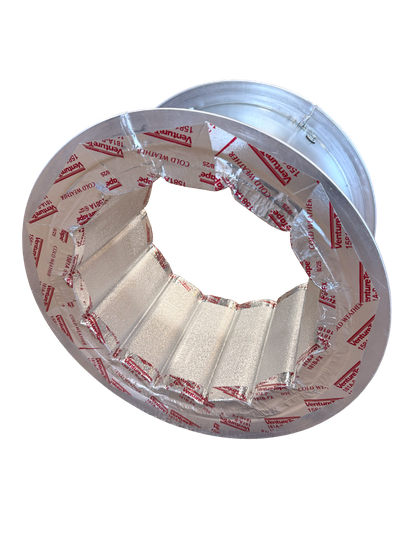
Instead of relying on adhesive, the phenolic duct liner locks in place mechanically using:
- Thermaduct® liner retention clips for standard applications
- Airtruss reinforcement for larger duct runs and higher pressure systems
The liner stays put because it's part of the duct structure itself and not because glue bonds are holding strong.
Field installation cuts through the usual headaches where Thermatuff® liner panels fasten mechanically to the duct, seams get sealed with approved sealant and edges and penetrations are sealed with UL 181 A-P approved tape.
No adhesive mixing. No cure time waiting. Once you've installed and sealed a section, your crew moves on.
With Thermatuff®, you don't have to worry about:
- Getting surfaces prepped just right
- Working around temperature and humidity windows
- Dealing with different crews applying adhesive differently
- Waiting out weather delays for materials to cure
With no glue, Thermatuff® phenolic duct liner meets NFPA 90A & B fire safety and code compliance
Thermatuff® phenolic insulation meets rigorous fire safety standards, including NFPA 90A, and achieves a 25/50 flame and smoke spread rating under ASTM E84. The thermoset properties of the phenolic core ensure it does not melt or produce flaming droplets in a fire, making it a safer choice for building occupants. Our patented method utilizes clips and modified Airtruss Ribs to ensure a firm hold of the phenolic insulation materials.
Why Contractors Prefer Mechanical Duct Liner Installation
When you're running a job, mechanical retention makes more sense than traditional phenolic duct liners.
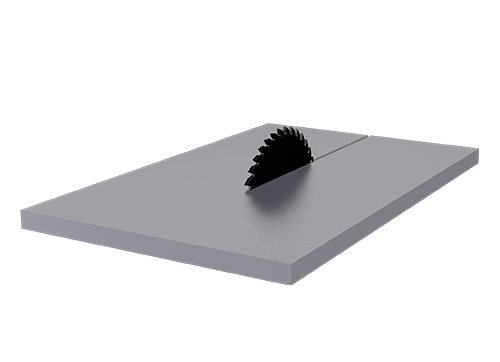
Step 1 - Cut Insulation
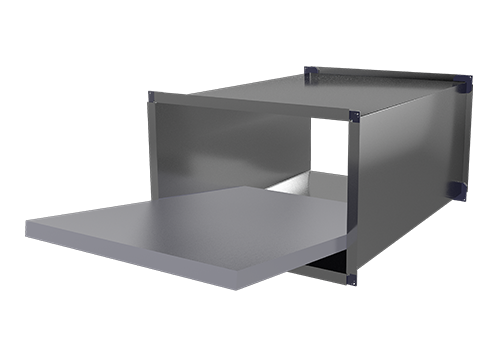
Step 2 - Apply Duct Liner
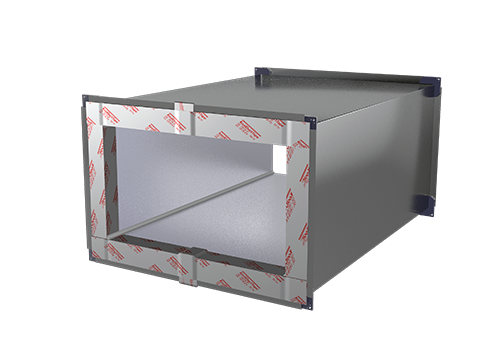
Step 3 - Retain Insulation
Thermatuff® Duct Liner installation process delivers practical benefits:
- No glue setup or cleanup - eliminates material prep time and waste disposal
- No waiting for cure times - crews work continuously without delays
- Less crew variability - mechanical fastening reduces skill-dependent variables
- Consistent results - standardized process across all installation teams
This keeps projects on schedule, especially critical for larger commercial buildings or phased construction work.
With our patented installation process, any shop can instantly get into the phenolic insulation business! Simply use a table saw to cut our phenolic insulation to size and easily apply it to your duct sections with our Tuff-lock® Liner Retention Clips that require no glue or pins to install. For fittings insulation, templates or additional fabrication machinery can extend this process to more complex offsets and elbows.
You won't need to worry about liners sagging or flagging in orizontal runs, compression damage where airflow hits hard or sections peeling away from your duct walls. Thermatuff® offers a different approach that reduces the weight of your installation. In addition to easy application your team will find that Thermatuff® phenolic insulation is up to 75% lighter than traditional insulated sheet metal ductwork, simplifying handling and installation. The internal phenolic liner panels eliminate the need for additional insulation wrapping, reducing labor time and costs. Additionally, the rigid panels allow for precise cutting and a tight seal, minimizing air leakage and improving system efficiency.
Insulation Solutions for Engineers and Facility Owners
Thermatuff® Phenolic insulation offers a forward-thinking solution for modern HVAC systems, addressing critical concerns like thermal performance, air quality, and moisture resistance. The increased indoor air quality of our durable, non-perforated aluminum facing means no loose fibers entering the airstream, no erosion under high airflow conditions and a smooth interior surface. With no perforations, you'll have better moisture control where the interior duct insulation is fully encapsulated when installed properly to better control moisture transmission, which keeps up in high humidity environments.
Thermatuff phenolic duct liner delivers the reliability and performance commercial HVAC projects demand. By eliminating adhesive-dependent variables through mechanical retention, contractors get consistent installation results while building owners benefit from long-term system stability and efficiency.
The closed-cell phenolic construction provides superior moisture resistance and maintains thermal performance throughout the system's service life. Integration with SMACNA standards ensures code compliance without requiring design modifications. Thermatuff®'s lightweight nature and ease of installation make it an efficient choice for installers, while its durability and safety features benefit building owners and occupants. By choosing phenolic insulation, projects can achieve superior HVAC performance and long-term energy efficiency, just like our other Thermaduct® products. For more information on how you can start using phenolic insulation in your shops, contact Thermaduct today!
FAQ
What types of applications can Thermatuff® Phenolic Duct Liner be used in?
Mechanical phenolic duct liners work effectively in:
- New construction projects - streamlined installation during initial build
- Retrofit applications - easier installation in existing buildings
- Multi-phase projects - consistent results across different construction phases
- Various building types - offices, hospitals, schools, and industrial facilities
The system performs well where adhesives aren't preferred or where long-term liner stability is critical for building performance.
What makes Thermatuff® different from other phenolic duct liners?
Thermatuff® has a durable 80 micron aluminum facing free of perforations. Our installation methods use mechanical retention instead of adhesive-based installation which allows the liner to secure with retention clips or our patented Airtruss® reinforcement, eliminating variables related to glue application, curing conditions, and long-term bond strength.
How does mechanical retention affect duct liner installation time?
Installation is typically faster because there's no adhesive setup, application, or cure time required. Crews can install panels, seal seams, and move to the next section immediately without waiting for materials to cure.
Does Thermatuff meet SMACNA phenolic liner standards?
Phenolic duct liners are installed inside SMACNA-compliant metal ductwork and are fully compatible with standard metal duct construction methods.
How does Thermatuff® perform compared to traditional fibrous liners?
Thermatuff® provides superior long-term stability, moisture resistance, and air quality benefits. The non-fibrous interior eliminates concerns about fiber release, microbial growth, and particle accumulation while maintaining consistent airflow characteristics.
Related Articles

As energy codes push the required insulation values higher and higher, the need for better outdoor duct solutions is growing. Thermaduct® products are designed to meet the needs of outdoor applications with a high level of energy and installation efficiency.

Low air leakage, IAQ duct solutions increase the energy efficiency and health of your building. Thermaduct® is here to help. Our indoor products are lightweight solutions that reduce installation weight by over 70%.